

To keep readers updated
LATEST POSTS

Benefits of Hybrid Security Testing
Security testing is usually divided into two main methods: automated scanning and manual penetration testing. Automated tools are fast and can perform a large number of checks. Manual security testers can understand complex applications and investigate issues that automated tools may miss. Both methods are useful, but both have limitations.Hybrid security testing combines automated tools with manual analysis. It uses automation for speed and coverage while using human knowledge for verification and deeper investigation.

Pay-Per-Vulnerability vs Traditional Pentest
Security testing is important, but companies do not all have the same budget, systems or requirements.
Traditional penetration testing normally uses a fixed project price. The customer agrees on the scope, pays the agreed fee and receives a report after the test.
A pay-per-vulnerability model works differently. The initial cost may be lower, and part of the payment is connected to the security vulnerabilities that are actually identified.
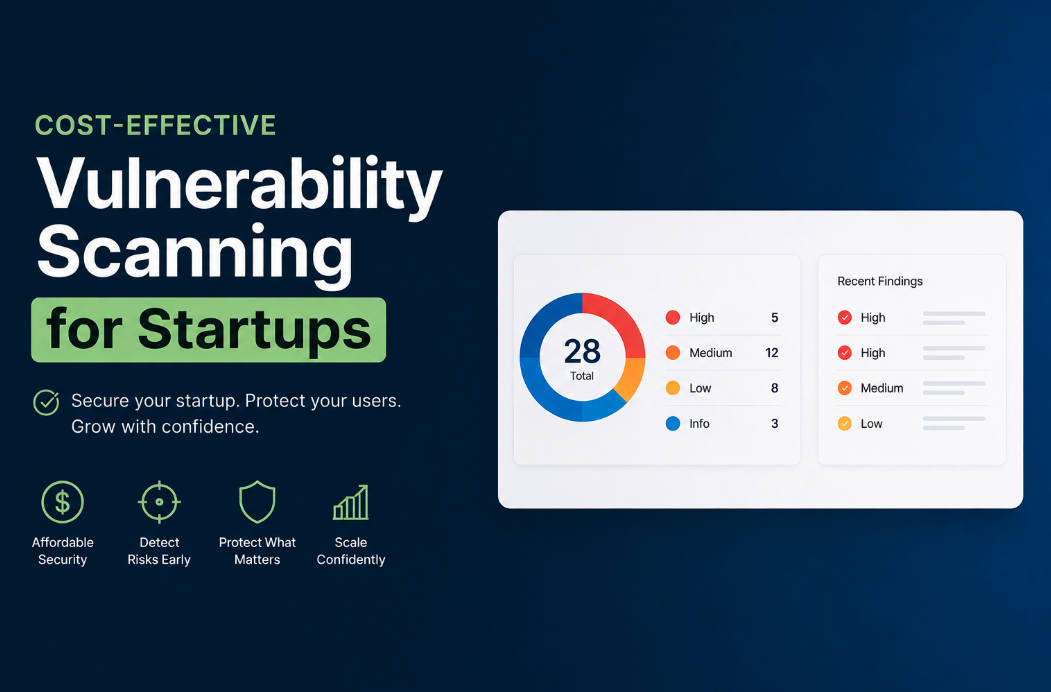
Cost-Effective Vulnerability Scanning for Startups
Startups usually move quickly. A small team may launch a website, customer portal, API, mobile application and cloud infrastructure within a short period.
During this time, most of the budget may be spent on product development, marketing and sales. Security testing can sometimes be delayed because it appears expensive or complicated.
However, waiting until the business becomes larger can create serious risks. Vulnerabilities could expose customer information, interrupt the service and more.
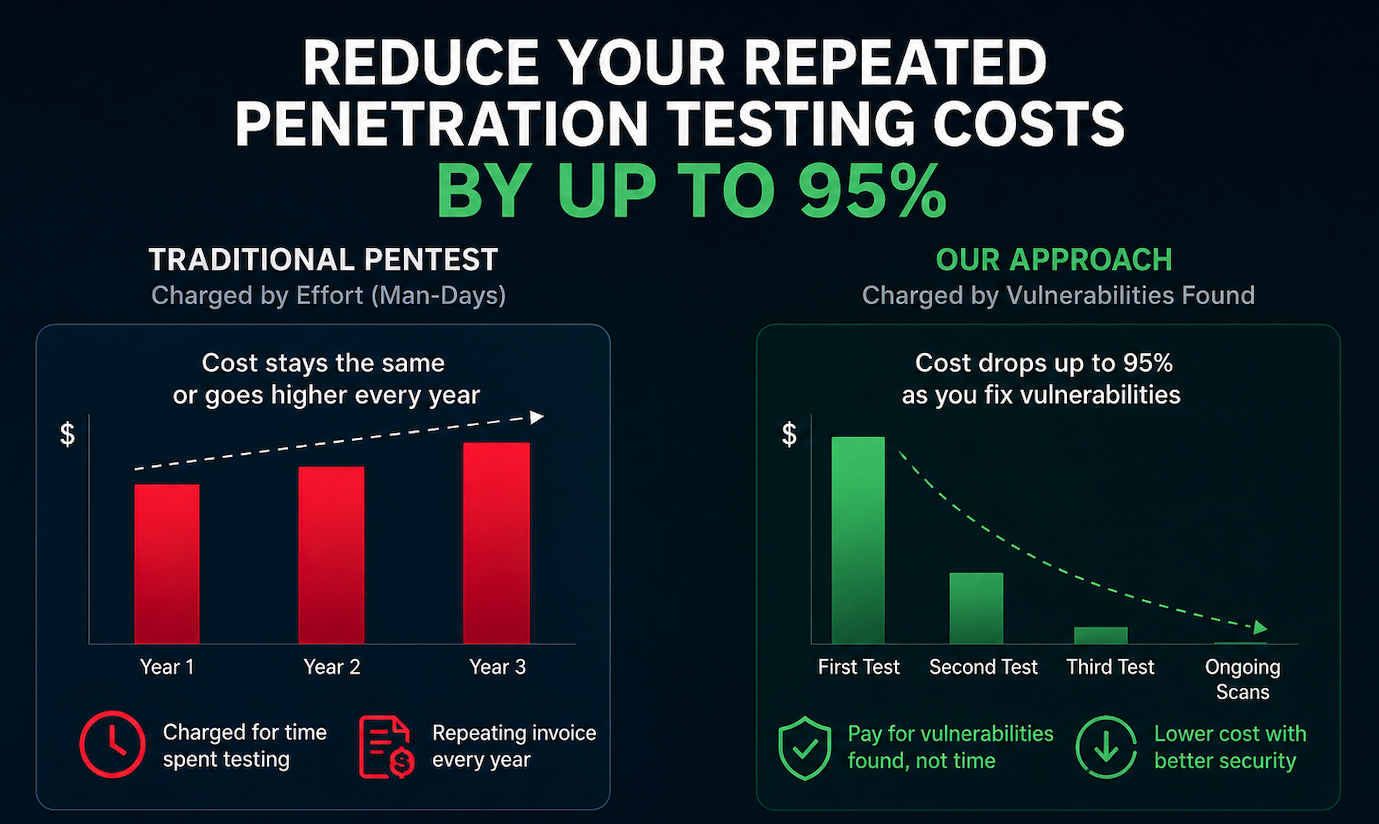
Reduce Penetration Testing Costs by Up to 95%
Most companies perform penetration testing every year. It is required for compliance, customer trust, or simply to keep their business secure.
However, there is one thing that almost never changes.
The invoice.
In fact, it often gets higher every year because of inflation or increasing consulting rates.
But should penetration testing really work this way?

Blocking Malware with DNS Sinkhole
The DNS sinkhole method can be used to block communication between malware and its command-and-control (C2) server, or to detect systems infected with malware. It can also be used to identify or neutralise the impact of botnets. This article focuses on how DNS sinkhole can be implemented in corporate networks to block malware. The idea behind the method is to give fake responses to DNS requests, preventing the malware from resolving the real IP address of the domain it’s trying to reach.

Spoofing in URPF protected networks
URPF (Unicast Reverse Path Forwarding) is a feature used to combat IP spoofing in network and security devices. URPF checks whether the packet comes from the appropriate interface by comparing the source IP address of the packet with the routing table. URPF is valid for systems protected by a security/network device, not for packets coming from the Internet.When performing DDoS tests, a network/security device at the exit of the tested network may usually block the generated fake IP packets due to URPF (or a similar feature).